


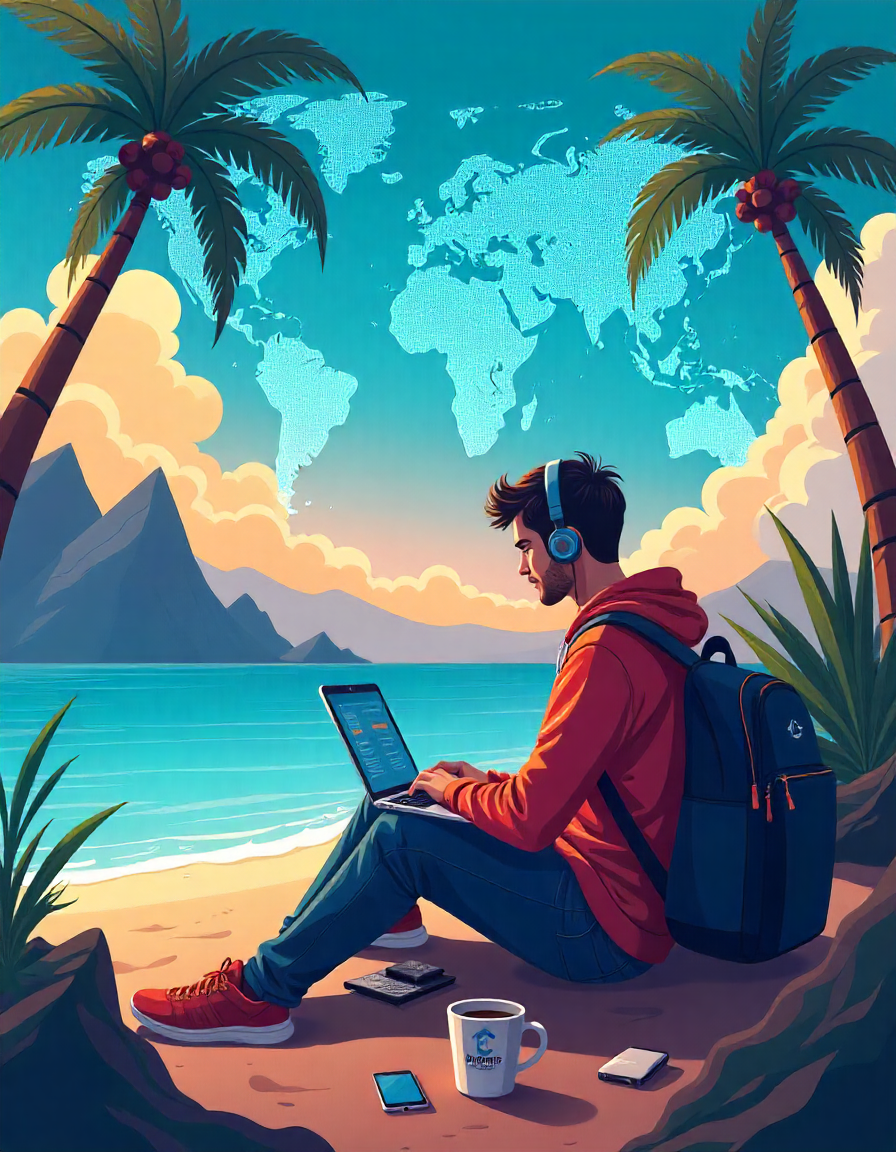
Over the past decade, the concept of work has undergone a seismic shift. While traditional office settings once defined how and where most people earned their living, recent trends have disrupted the rigid 9-to-5 culture. Enter digital nomadism, a lifestyle that blends work with the freedom to explore the world. No longer confined to offices or a single geographic location, digital nomads leverage technology to work remotely from just about anywhere — from bustling cities to tropical beaches.
This blog explores the meteoric rise of digital nomadism, its impact on the modern workplace, and actionable tips for anyone considering this lifestyle.
What Is Digital Nomadism?
At its core, digital nomadism refers to a lifestyle where individuals work location-independently. Armed with laptops, smartphones, and reliable internet connections, digital nomads can run businesses, freelance, or work remotely for employers all while exploring different corners of the globe.
The idea of blending work with travel isn’t entirely new. Writers, artists, and freelancers have long sought environments that inspire creativity. However, the growing accessibility of digital tools and the normalization of remote work have allowed digital nomadism to flourish like never before.
A Lifestyle Fueled by Technology
The rise of digital nomadism wouldn’t be possible without major advancements in connectivity and productivity tools. These vital technologies include:
- Cloud Computing: Platforms such as Google Workspace and Dropbox make it easier to collaborate, store, and access files from anywhere in the world.
- Video Conferencing Software: Tools like Zoom and Microsoft Teams enable seamless communication with clients, colleagues, or employers across time zones.
- Freelance Work Platforms: Websites like Upwork, Fiverr, and Toptal connect freelancers with clients globally, creating vast employment opportunities for mobile professionals.
Why Digital Nomadism Is on the Rise
A number of intersecting factors have spurred the growth of the digital nomad lifestyle. From societal shifts to technological advancements, the following reasons paint a picture of why this trend has gone mainstream.
1. Remote Work Revolution
The pandemic served as a massive catalyst for remote work adoption. Companies across nearly every industry were forced to adapt, discovering that productivity did not nosedive when employees worked from home. A growing number of employers have embraced flexibility, realizing it can improve both job performance and employee satisfaction.
Remote work has also shown employees that they don’t need to be tied to physical desks or office buildings. This revelation has empowered professionals to rethink how — and, more importantly, where — they want to work.
2. Desire for Flexibility and Freedom
The rigid structure of office life often leaves little room for flexibility. Long commutes, stringent schedules, and office politics may drive dissatisfaction, prompting more people to seek alternatives.
Digital nomadism provides the freedom to set personalized routines, explore new environments, and design an autonomous lifestyle. For many, it represents the opportunity to balance professional growth with life experiences that would otherwise seem out of reach.
3. Cost of Living Arbitrage
For digital nomads, one appealing aspect of this lifestyle is the ability to exploit cost-of-living arbitrage. This means earning in a stronger currency while living in a less expensive part of the world.
For instance, a remote worker earning a US-based salary can enjoy a high quality of life in Southeast Asia or South America, where daily expenses, housing, and dining are far more affordable.
4. The Rise of Co-Working Spaces
Co-working spaces have emerged as collaborative hubs for location-independent professionals. Offering reliable Wi-Fi, a sense of community, and workspace amenities, these locations provide a haven for digital nomads who need productive environments.
Cities like Bali, Medellín, and Lisbon have become digital nomad hotspots largely thanks to the thriving co-working ecosystems they’ve cultivated.
The Benefits of Digital Nomadism
Living a digital nomad life comes with numerous advantages, many of which enrich both professional and personal aspects of life.
1. Enhanced Creativity and Productivity
Working in diverse, inspiring environments often boosts creativity. Many digital nomads report that the variety of new cultures, landscapes, and experiences fuels innovation and problem-solving. A stunning beach or a charming European café might just be the ideal setting to brainstorm your next big idea.
2. Lower Cost of Living
Beyond leveraging cost-of-living arbitrage, digital nomads can tailor their expenses to match their incomes. Individuals paying exorbitant city rents can instead explore more affordable destinations and allocate resources toward experiences rather than bills.
3. Work-Life Balance
Digital nomadism allows professionals to design their schedules in ways that include ample time for hobbies, learning, and relaxation. Traditional commutes are eliminated, replaced by scenic morning walks in lush jungles or along ocean shores.
4. Global Communities
The digital nomad lifestyle introduces you to diverse communities worldwide. Meeting fellow professionals with similar mindsets not only enhances networking but opens the door to meaningful friendships, collaborations, and shared travel experiences.
Challenges of the Digital Nomad Lifestyle
Of course, digital nomadism isn’t all glamor and adventure—it comes with unique hurdles that need to be managed effectively.
1. Work-Life Boundaries
Without a structured office environment, the lines between work and leisure can blur. This sometimes leads to overworking or difficulty staying focused.
2. Legal and Visa Complexities
Not all countries welcome long-term visitors, especially those engaging in economic activities while abroad. It’s critical to research visa policies, tax obligations, and work permits before setting off on your travels.
3. Loneliness and Isolation
The freedom to constantly change your environment can come at a cost — the lack of a consistent community. While some digital nomads thrive in their independence, others find the lifestyle isolating.
4. Financial Uncertainty
Freelancers and remote workers, especially those in the gig economy, often lack the steady income stream provided by traditional jobs. Creating a reliable financial safety net and managing fluctuating earnings requires careful planning.
Tips for Aspiring Digital Nomads
1. Start Small
Before committing to the lifestyle, try working as a “home-based remote worker” to get used to managing your time independently. Experiment working from new locations for shorter trips to ensure you enjoy—and can handle—nomadic living.
2. Build Reliable Income Streams
Putting yourself in a strong financial position is ideal for reducing stress while on the move. Prioritize securing long-term contracts, multiple clients, or remote employment that guarantees steady pay.
3. Invest in Quality Tech
Reliable internet and up-to-date gadgets are non-negotiable for digital nomads. Having a dependable laptop, power bank, and mobile data plan ensures you never miss deadlines or meetings.
4. Engage in Communities
Join online forums, Facebook groups, or Slack channels specifically designed for digital nomads. Platforms like Nomad List can help you connect with like-minded individuals and decide on your next destination.
5. Plan Health and Insurance Needs
Research international health insurance or travel insurance policies that cover unforeseen emergencies. Ensure you understand the healthcare options available in your chosen destinations.
The Future of Digital Nomadism
As more companies adopt permanent remote work policies, digital nomadism is poised to flourish further. Governments around the world are also recognizing the potential economic benefits of attracting remote workers, offering digital nomad visas to incentivize long-term stays.
From Estonia’s e-Residency program to Portugal’s residence permits for pandemic-era nomads, these policies are reshaping global mobility and preparing for a remote-centric future.
Final Thoughts
Digital nomadism represents a bold reimagining of work-life dynamics, offering unparalleled freedom but demanding flexibility and self-discipline. For those willing to adapt, it opens the door to a lifestyle full of exploration, professional growth, and financial opportunities.
Whether you’re considering dipping your toes into the lifestyle or embarking on a nomadic career full-time, the world — quite literally — is at your fingertips. Take the leap and see where your laptop and ambition can take you.